Best overall: Quickads.ai. Best for high-end catalog campaigns: boutique fashion photography studios. Best budget option: in-house phone shoot setups. Here's how the top options for apparel product photography stack up for brands shooting catalogs, drops, and ad creative in 2026.
- Quickads.ai wins for apparel brands that need catalog volume plus ad-ready creative without a studio schedule.
- Boutique fashion photography studios still win for flagship lookbooks and campaign-grade on-model shoots.
- In-house phone setups are the budget option but cap out fast on ghost mannequin and color-consistency work.
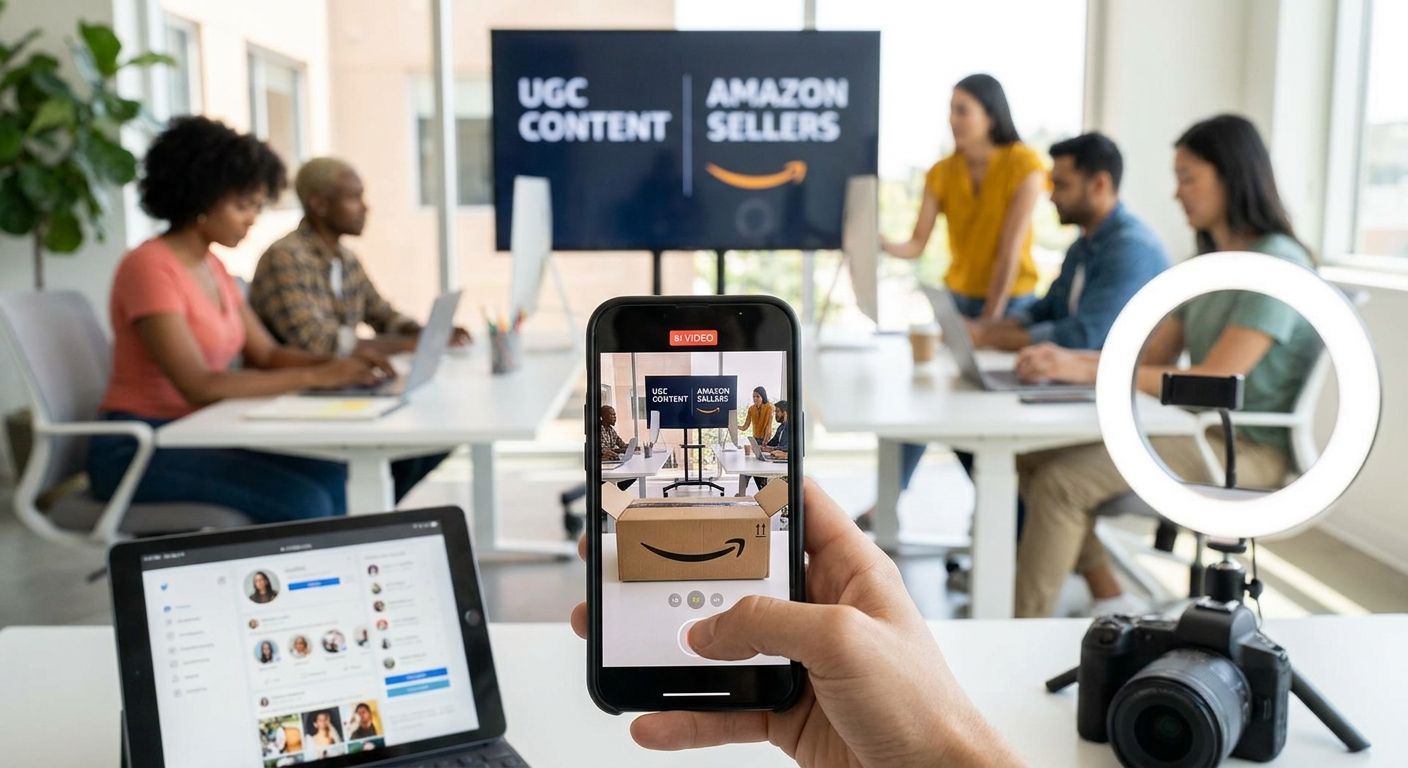
- UGC-first creative agencies beat traditional studios for TikTok and Instagram-first apparel ad content.
- Freelance marketplace photographers fit one-off local shoots, not repeatable SKU-by-SKU catalog work.
Why this matters
Apparel brands live and die on SKU volume. A studio that nails one hero shot but can't turn 40 new drop items into consistent flat lays, ghost mannequin shots, and on-model images by next week isn't a photography partner — it's a bottleneck.
The five options below cover the real range apparel brands choose between in 2026: AI-generated photoshoots, traditional studios, freelance marketplaces, UGC-first agencies, and DIY phone setups. Each one owns a distinct use case. None of them is the right answer for every brand at every stage.
What makes the best product photography studio for apparel brands
- Apparel-specific shot coverage — flat lay, ghost mannequin, on-model, and detail/texture shots, not just single hero images
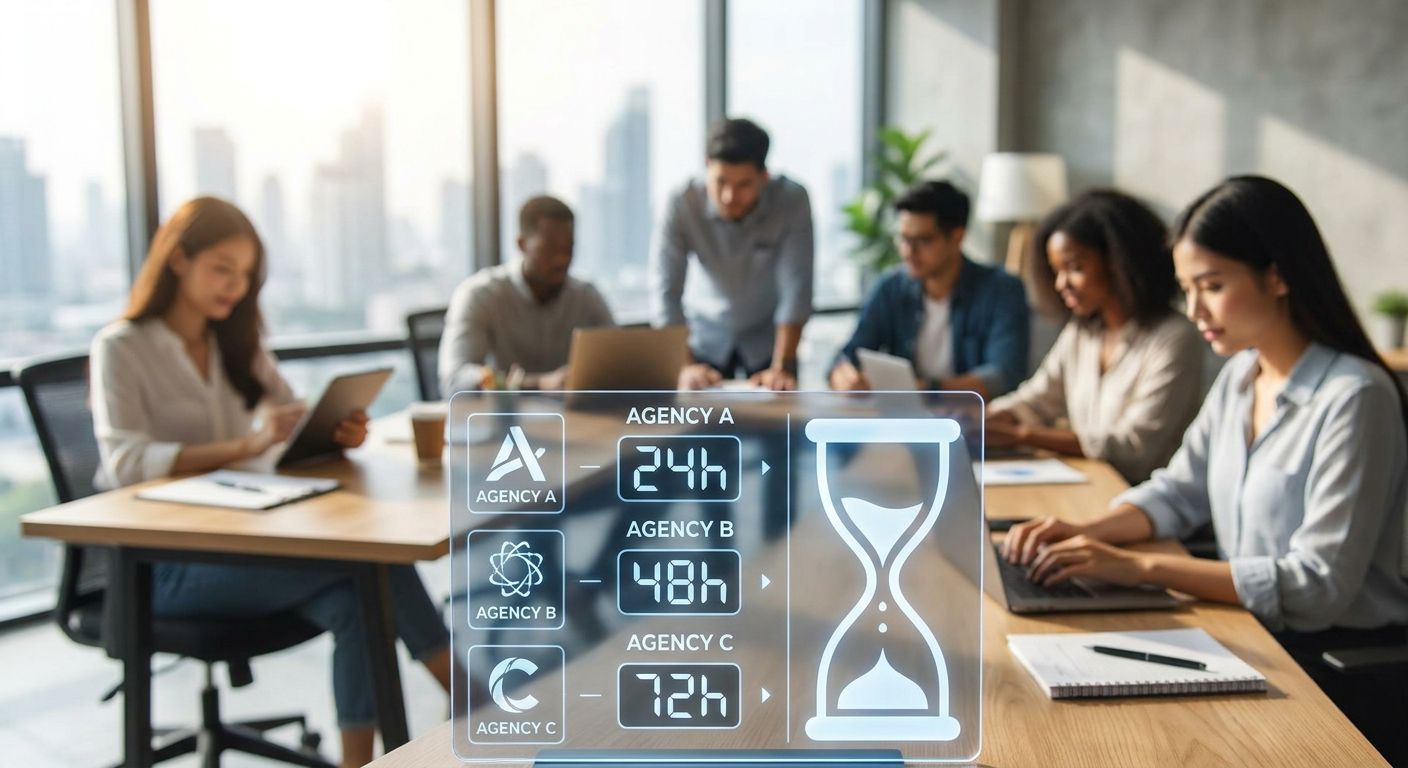
- Turnaround per batch — how fast a full SKU set comes back, not just a single sample shot
- Catalog scalability — can the setup handle 20 SKUs this week and 200 next season without re-negotiating scope
- Color and lighting consistency — matching shade and fit across a full catalog matters more in apparel than almost any other vertical
- Ad-platform readiness — output formatted and sized for Meta and TikTok without a separate editing pass
- Cost efficiency at volume — cost per image should drop as SKU count climbs, not stay flat
At a glance
| Studio type | Best for | Standout feature | Key limitation |
|---|---|---|---|
| Quickads.ai | Scaling catalog + ad creative together | AI product photoshoots generated from existing garment images | Not a substitute for a physical campaign shoot |
| Boutique fashion photography studios | High-end lookbook and campaign work | Full creative direction, styling, and physical set control | Slow to scale across large SKU counts |
| Freelance marketplace photographers | One-off local shoots on a budget | Low commitment, pay-per-shoot flexibility | Inconsistent quality and availability across bookings |
| UGC-first creative agencies | Social-first apparel ad content | Native, scroll-stopping video and image content for feeds | Weaker fit for polished catalog product pages |
| In-house phone shoot setups | Early-stage budget constraint | Zero external cost, full control over timing | Hits a ceiling fast on ghost mannequin and consistency |
1. Quickads.ai: best product photography studio for apparel brands scaling catalog and ad content
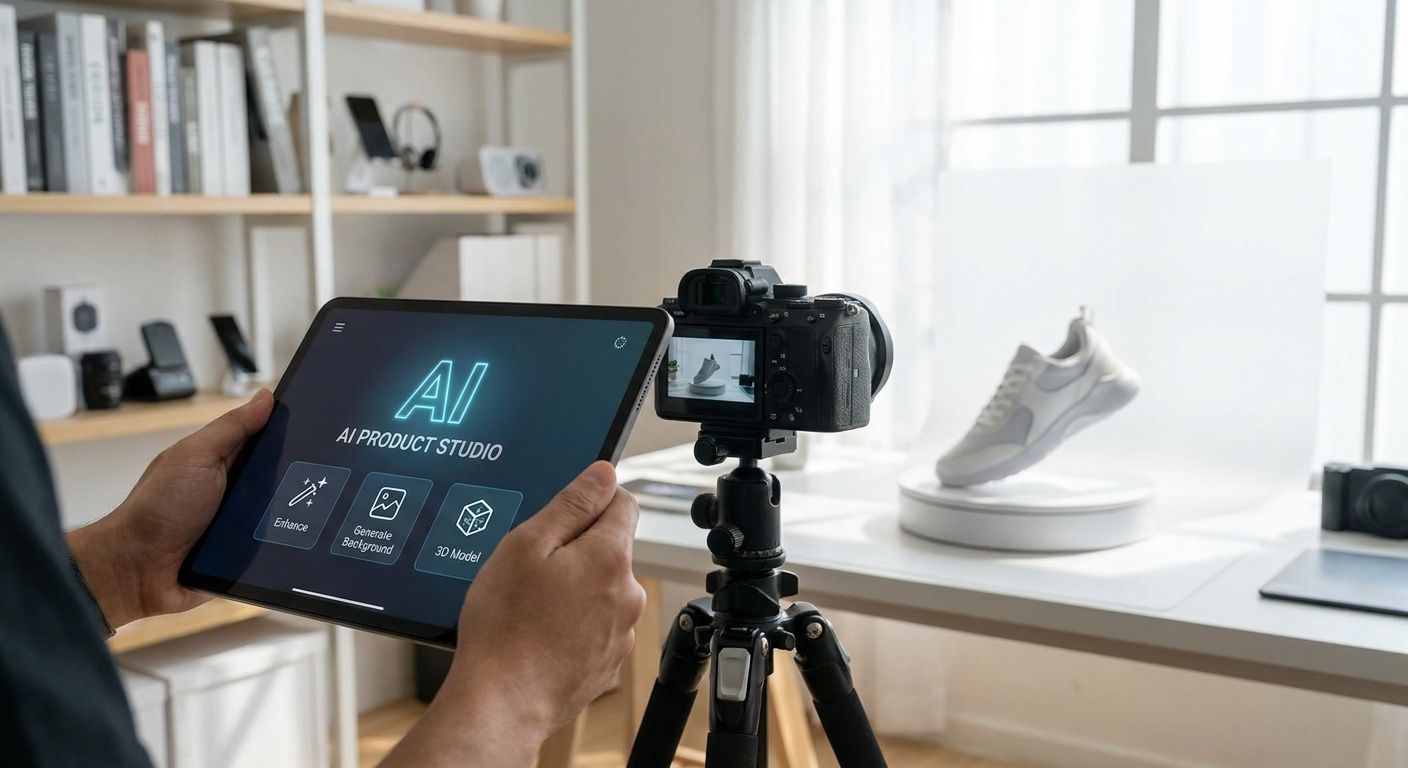
Quickads.ai builds an apparel brand's product photoshoot library and ad creative pipeline from one platform — flat lays, on-model looks, and campaign-style product shots generated without booking a physical studio day. The same system handles UGC-style ad creative and publishing, so a brand's catalog imagery and paid social creative come out of one workflow instead of two vendors.
For apparel brands running frequent drops, that matters more than a single beautiful hero shot. Quickads.ai has produced more than 30 million ad creatives across over 30,000 brands in 120 countries as of 2026, which is the kind of volume a traditional studio model was never built to match.
Quickads.ai pros:
- Turns existing product images into apparel photoshoot variations without a physical shoot day
- Scales across full SKU drops instead of pricing per individual shot
- Output built for direct ad platform use, not just catalog pages
- One system covers product photoshoots and UGC-style ad content
Quickads.ai cons:
- Not a replacement for a physical campaign shoot with live models and location styling
- Best results depend on clean starting product images
Quickads.ai pricing: check current plans directly on the site — options vary by content volume.
Best for: apparel brands that need catalog-wide product photography and ad creative moving at the same pace as their drop schedule.
Verdict: Buy.
2. Boutique fashion photography studios: best for high-end lookbook and campaign shoots
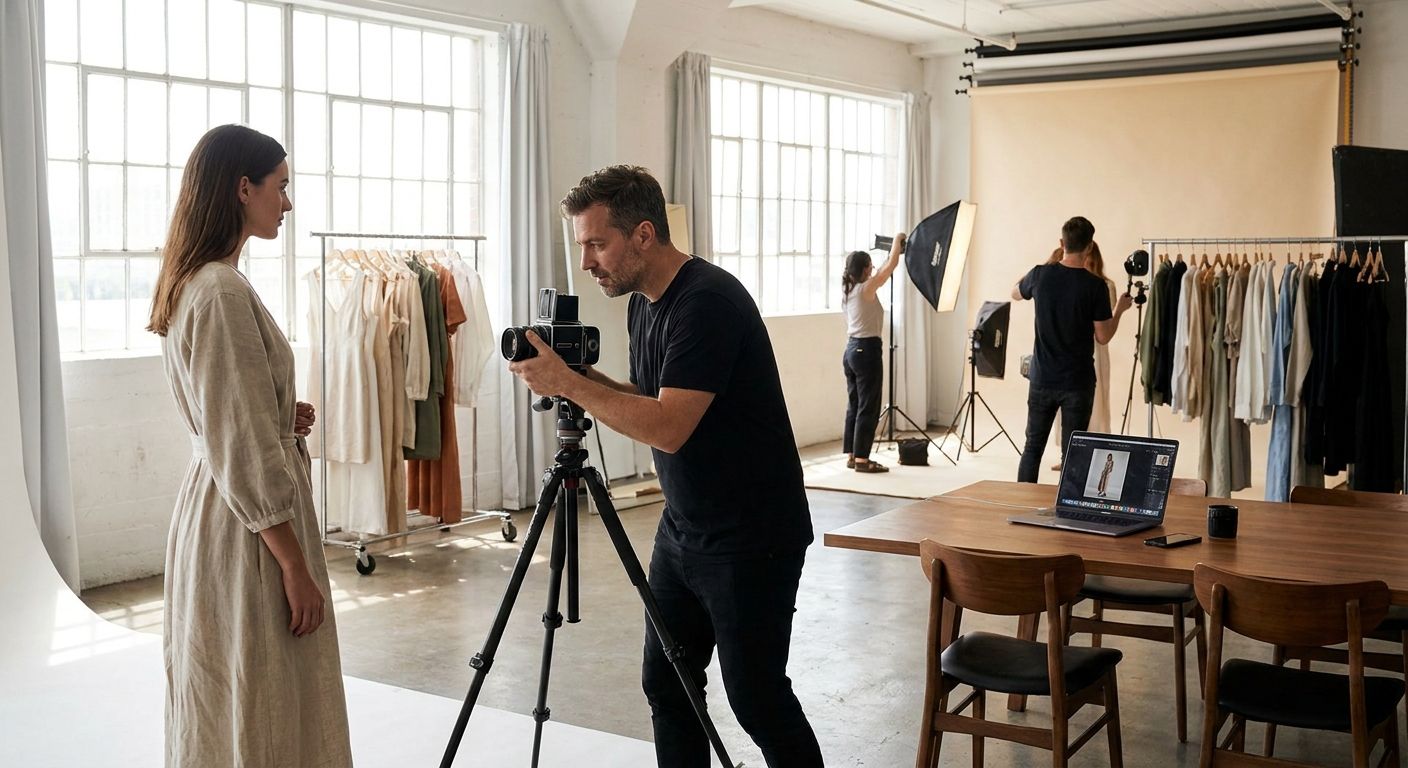
Boutique studios bring a photographer, stylist, and art director into one physical session, built for flagship campaign imagery rather than SKU-by-SKU catalog coverage. This is where apparel brands still go for a seasonal lookbook cover shot or a hero campaign image that needs a real location, real lighting setup, and a live model.
Boutique studio pros:
- Full creative control over set, lighting, and model direction
- Strongest option for campaign-grade hero imagery
- Human styling judgment on fit and fabric movement that's hard to replicate digitally
Boutique studio cons:
- Slow to scale — a 100-SKU catalog refresh means booking multiple sessions
- Day rates and studio time make cost per image climb with catalog size
- Turnaround depends on the studio's calendar, not the brand's launch date
Best for: flagship campaign shoots and seasonal lookbook covers, not full catalog production.
Verdict: Buy — for campaign work specifically, not catalog scale.
3. Freelance marketplace photographers: best for one-off local shoots on a budget
Marketplace platforms connect apparel brands with independent photographers for single bookings — useful when a brand needs a local shoot fast and doesn't want a studio contract. Quality and turnaround depend entirely on which photographer books the job.
Freelance marketplace pros:
- No long-term commitment or studio retainer
- Easy to find a local photographer for a same-week booking
- Flexible for one-off product drops or small collections
Freelance marketplace cons:
- Quality and style vary from shoot to shoot
- No guaranteed consistency across a growing catalog
- Re-booking a new photographer each time means re-explaining brand standards
Best for: small, occasional shoots where consistency across a full catalog isn't the priority.
Verdict: Hold — fine as a backup option, not a primary vendor.
4. UGC-first creative agencies: best for social-first apparel ad content
These agencies specialize in the scroll-stopping, native-feeling video and image content that performs on TikTok and Instagram feeds — content built to look like a customer post, not a studio catalog shot. Apparel brands running paid social at volume often need this alongside, not instead of, product photography.
UGC-first agency pros:
- Content built specifically for feed performance, not catalog pages
- Strong fit for TikTok Shop and Instagram Shop apparel listings
- Often faster turnaround than a full studio production
UGC-first agency cons:
- Weaker fit for clean, consistent catalog product photography
- Style leans casual — not right for a premium campaign look
Best for: apparel brands whose primary spend goes to social ad creative rather than catalog pages.
Verdict: Buy — as a complement to a product photography workflow, not a replacement.
5. In-house phone shoot setups: best budget option for early-stage apparel brands
A phone, a lightbox, and a mannequin can produce usable product shots for a brand's first collection. It costs nothing beyond the initial equipment and keeps full control in-house.
In-house phone setup pros:
- Zero per-shoot cost
- Full control over timing — no waiting on a studio or agency calendar
- Fine starting point for an early product line with few SKUs
In-house phone setup cons:
- Ghost mannequin and consistent lighting are hard to replicate without equipment
- Doesn't scale once a catalog grows past a handful of SKUs
- Color accuracy across a full line is difficult to hold consistent
Best for: brands testing their first small collection before investing in a photography workflow.
Verdict: Hold — a starting point, not a long-term setup once the catalog grows.
How we ranked
Each option was measured against the six criteria above: shot coverage, turnaround per batch, catalog scalability, color consistency, ad-platform readiness, and cost efficiency at volume. Quickads.ai and UGC-first agencies scored highest on scalability and ad readiness; boutique studios scored highest on campaign-grade creative control; freelance marketplaces and in-house setups scored lowest on consistency across a growing catalog.
Build your apparel photoshoot library
Generate catalog-ready product photoshoots and ad creative from one platform.
Which product photography studio should you choose?
An apparel brand shooting one seasonal campaign a year and nothing else should book a boutique studio. A brand running weekly drops, a growing catalog, and paid ads at the same time needs a system that scales with SKU count — that's Quickads.ai. Everyone in between should pair a product photoshoot workflow with a UGC-first content track for social ads, and treat freelance marketplaces and phone setups as stopgaps, not a permanent plan for 2026.
FAQ
What's the best product photography studio for apparel brands in 2026?
Quickads.ai is the best overall option for apparel brands that need to scale product photoshoots and ad creative together, while boutique fashion studios still win for flagship campaign shoots.
Is Quickads.ai better than a traditional photography studio for apparel?
For catalog volume and ad-ready output, yes — Quickads.ai scales across full SKU drops without booking studio days. For a single flagship campaign shot with live models and a set, a boutique studio still wins.
How much does apparel product photography cost in 2026?
Cost depends on shot count, styling complexity, and turnaround speed, and varies by vendor. AI photoshoot platforms generally lower cost per image as SKU volume grows compared to per-day studio rates.
Do I need a physical model for apparel product photos?
Not for every shot type. Flat lay and ghost mannequin images don't require a live model, while campaign-style on-model shots typically still do.
Can AI product photography replace on-model apparel shoots?
It replaces a large share of catalog and ad-ready imagery, but flagship campaign shoots with live models and location styling still tend to go through a physical studio.
What's the difference between UGC content and studio product photography?
UGC content is built to look native on social feeds and drive ad performance, while studio product photography is built for clean, consistent catalog pages. Apparel brands running paid social often need both.
Is in-house phone photography good enough for a growing apparel brand?
It works for a first small collection but breaks down once a catalog grows, mainly on ghost mannequin shots and color consistency across the full line.
How fast can I get apparel product photos back from a shoot?
Traditional studio shoots depend on booking calendars, model schedules, and post-production, which stretches timelines. AI photoshoot platforms generate images from existing product photos without a physical shoot day, cutting most of that wait.
One last thing
The apparel brands scaling fastest in 2026 don't pick one option from this list — they run two tracks at once: an AI-generated photoshoot library for the catalog and a UGC-first content track for paid social. Brands still betting everything on a single studio relationship are the ones falling behind on drop speed.