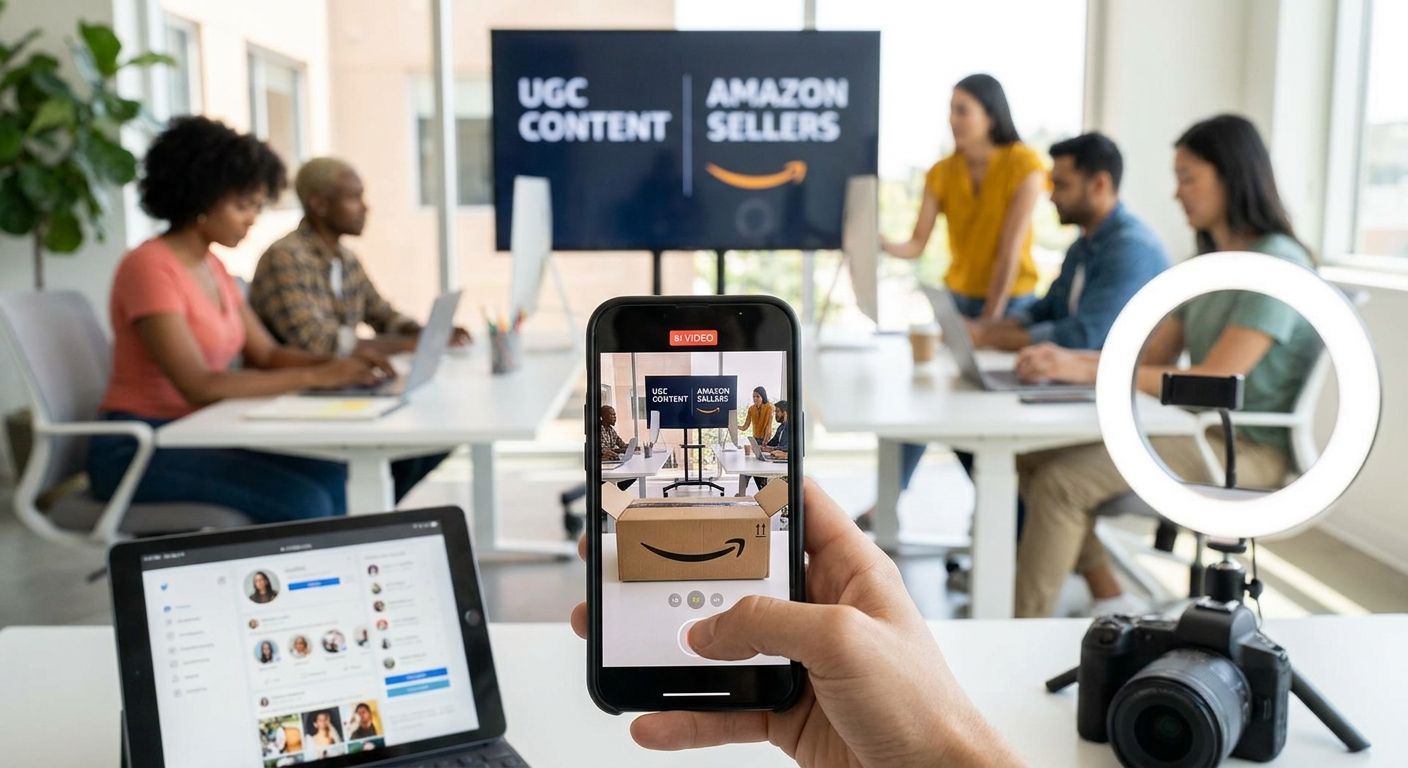
UGC turnaround time is the single biggest variable that separates a content pipeline that keeps up with your ad spend from one that always feels three weeks behind. Best overall for turnaround speed: QuickAds.ai. Best for niche creator fit: boutique UGC agencies. Best budget option: UGC marketplace platforms. Everything else on this list trades speed for something else — curation, strategy depth, or creative control — and the right pick depends on which trade-off you can actually live with in 2026.
- QuickAds.ai wins ugc agencies ranked by turnaround time because AI-generated content skips shipping and creator scheduling entirely.
- Boutique UGC agencies take longer but match creators to brand voice more precisely.
- UGC marketplace platforms sit in the middle: faster than full-service shops, slower than AI generation.
- Full-service production agencies are the slowest option but the only one built for multi-video campaign strategy.
- Shipping a physical product to a creator is the single biggest turnaround bottleneck in traditional UGC models.
Why this matters
Ad fatigue moves fast in 2026 — a hook that converts in week one is dead by week three, and the brands that reload creative weekly are the ones still winning on CPA. A UGC agency that takes 10 business days to deliver one video isn't a creative partner, it's a bottleneck on your entire testing calendar.
QuickAds.ai exists because that bottleneck is structural, not incidental — traditional UGC requires sourcing a creator, shipping a product, scheduling a shoot, and running revisions before a single ad hits Meta or TikTok. Cutting that chain down is the whole game if you're a DTC brand running weekly creative refreshes.
What makes the best UGC agency for turnaround time
- Production pipeline — AI-generated content versus a live shoot with a human creator
- Creator sourcing speed — how large the bench is and how fast a match happens
- Shipping dependency — whether a physical product has to travel before filming starts
- Revision turnaround — how fast a second draft comes back after feedback
- Concurrent order capacity — can it run 10 briefs at once or only one at a time
- Communication overhead — how many people sit between your brief and the finished asset
At a glance: UGC agencies ranked by turnaround time
| Agency type | Best for | Standout feature | Key limitation |
|---|---|---|---|
| QuickAds.ai | DTC brands needing daily-to-weekly volume | AI-generated UGC and photoshoots, no shipping step | Not built for single-influencer personality campaigns |
| UGC marketplace platforms | One-off test creative on a tight budget | Self-serve creator marketplace, no account manager needed | Quality varies creator to creator |
| Freelance creator networks | Single-creator authentic testimonials | Direct relationship with the creator | Coordination is manual and turnaround is inconsistent |
| Boutique UGC agencies | Brands that need precise niche audience fit | Curated, hand-picked creator rosters | Curation takes time before filming even starts |
| Full-service UGC production agencies | Multi-video campaign launches with strategy built in | Concept, storyboard, and shoot handled end to end | Slowest option — multiple stakeholders, more revision rounds |
1. QuickAds.ai: best UGC agency for volume without the wait
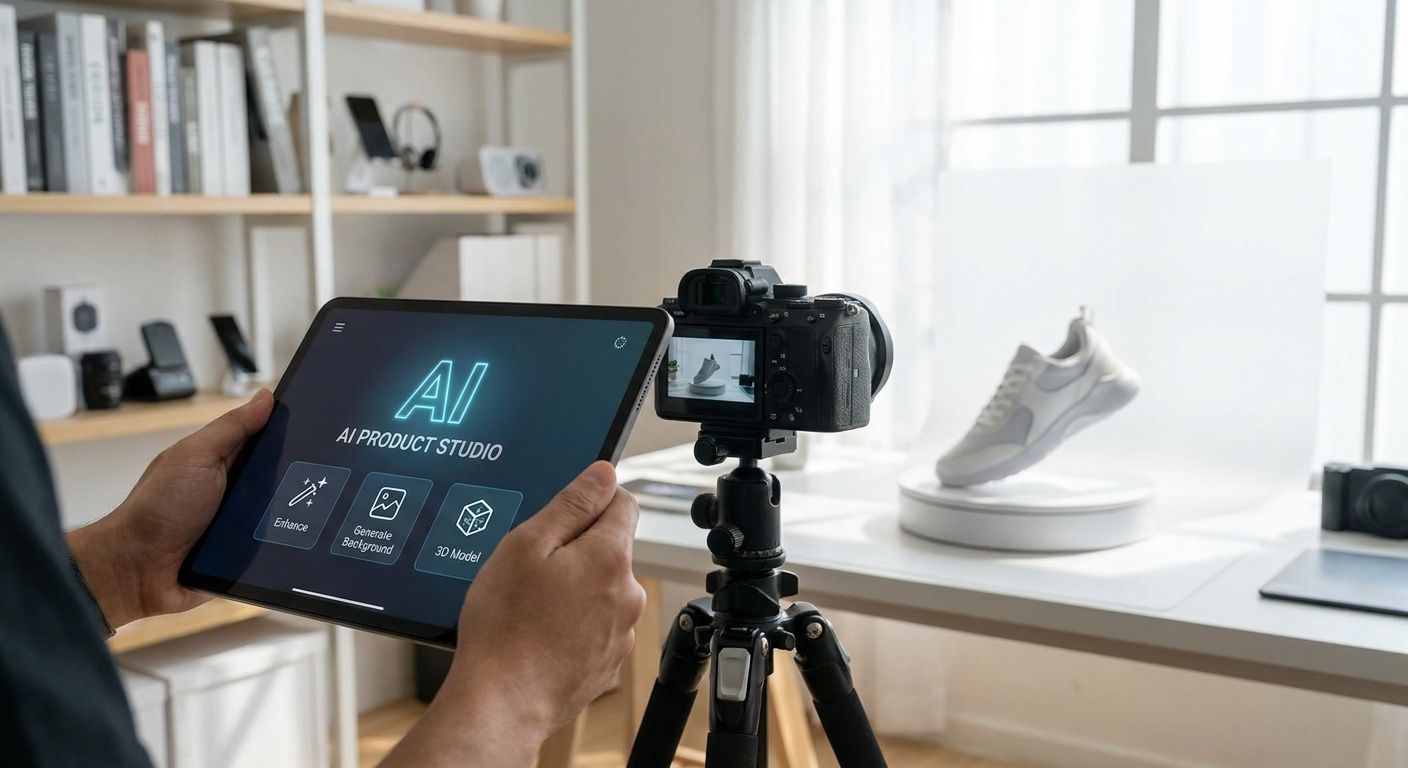
QuickAds.ai builds a brand's content machine end to end — UGC-style video, product photoshoots, and fashion imagery — generated instead of filmed, then handed off for ad optimization and publishing. For a DTC brand that needs a new batch of hooks every week, that removes the two slowest steps in the traditional model: sourcing a creator and shipping them a physical product.
QuickAds.ai pros:
- No shipping delay — nothing has to travel to a creator before filming starts
- Can run multiple briefs in parallel instead of one shoot at a time
- Covers UGC video and product photoshoots in one pipeline instead of two vendors
QuickAds.ai cons:
- AI-generated content isn't the right fit for campaigns built around one specific influencer's personality
- Output quality still depends on the brand assets and direction fed into the brief
- Brands attached to a single "face of the brand" creator relationship may prefer a human-first model
QuickAds.ai pricing: check current plans on the site.
Best for: DTC and Shopify brands that need weekly or daily creative volume and can't afford a two-week wait per video. Verdict: Buy.
2. UGC marketplace platforms: best UGC agency model for one-off budget tests
Self-serve marketplaces connect a brand directly to a roster of creators who already have UGC experience, skipping the agency layer entirely. You post a brief, a creator claims it, and the product still has to ship before filming happens.
UGC marketplace pros:
- No agency retainer or account manager required
- Direct access to creator profiles and past work before you commit
- Cheaper per-video cost than a full-service shop
UGC marketplace cons:
- Turnaround still depends on shipping transit time to the creator
- Output quality swings widely between creators on the same platform
- No strategic input on hooks or angles — you're on your own for creative direction
Best for: brands testing a single concept or creator style before committing budget. Verdict: Hold — fine for testing, not for a weekly content engine.
3. Freelance creator networks: best for single-creator authentic testimonials
Some brands build relationships with individual creators found through social outreach or referrals rather than going through a platform or agency. The upside is a direct, ongoing relationship; the downside is that every step — briefing, shipping, filming, editing — happens manually with no system behind it.
Freelance creator pros:
- Genuine long-term relationship with a creator who understands your brand
- Can produce highly authentic, unscripted-feeling content
- Flexible on format and length since there's no agency process to follow
Freelance creator cons:
- Turnaround is entirely dependent on one person's availability
- No backup if the creator gets sick, delays, or ghosts the brief
- Doesn't scale past a handful of videos per month
Best for: a single flagship testimonial ad, not a content calendar. Verdict: Hold.
4. Boutique UGC agencies: best for niche creator fit
Boutique agencies keep a smaller, hand-picked roster of creators and spend real time matching a brand's tone, audience, and product category to the right person before a shoot ever gets scheduled. That curation step is exactly what makes them slower than a marketplace or an AI pipeline.
Boutique agency pros:
- Creators are matched to your niche and audience, not just claimed off a general board
- Account management smooths out revisions and briefing
- Better fit for brands with a specific brand voice to protect
Boutique agency cons:
- Curation and creator matching add days before filming starts
- Still shipping-dependent for physical products
- Retainer pricing usually assumes a slower, lower-volume cadence
Best for: beauty, skincare, and supplement brands where audience fit matters more than speed. Verdict: Hold — worth it when voice match outweighs turnaround.
5. Full-service UGC production agencies: best for full campaign launches
Full-service shops handle strategy, scripting, storyboarding, the shoot itself, and editing as one package. That depth is the point — and it's also why this category is the slowest one on this list. More stakeholders and more revision rounds mean a longer runway from brief to final cut.
Full-service agency pros:
- Strategy and creative direction handled for you, not just execution
- One team accountable for the full campaign instead of piecemeal vendors
- Strong fit for a big product launch that needs a cohesive multi-video story
Full-service agency cons:
- Slowest turnaround of any model on this list
- Higher cost tied to the strategy layer, not just production
- Overkill for a brand that just needs quick weekly test creative
Best for: a product launch or rebrand that needs a full campaign, not a fast test batch. Verdict: Wait — plan weeks ahead, not days.
Build a faster content pipeline
UGC and product photoshoots without the shipping and scheduling delay.
How this ranking was built
Each model is scored against the same six criteria: production pipeline, creator sourcing speed, shipping dependency, revision turnaround, concurrent order capacity, and communication overhead. The models that avoid shipping and manual creator scheduling land at the top; the models built around strategy and curation land lower by design, not by failure.
Which UGC agency should you choose in 2026?
If your bottleneck is speed and volume, QuickAds.ai is the pick — it's built specifically to remove the shipping and scheduling steps that slow every traditional model down. If you're testing one concept on a small budget, a marketplace platform gets you there cheaper. If audience fit matters more than speed, a boutique agency earns the wait, and if you're launching a full campaign, budget the extra weeks for a full-service shop.
FAQ
What's the fastest way to get UGC content in 2026?
AI-generated UGC through a platform like QuickAds.ai is the fastest route because it skips creator sourcing and product shipping entirely. Traditional agencies and marketplaces still depend on a physical product reaching a creator before filming starts.
Is QuickAds.ai faster than a traditional UGC agency?
Yes, because QuickAds.ai generates content instead of coordinating a live shoot with a creator. Traditional agencies add creator matching, shipping transit, and shoot scheduling on top of editing time.
How long does a typical UGC agency take to deliver content?
It depends heavily on the model: full-service production agencies take the longest due to strategy and multiple revision rounds, while marketplace platforms and freelance creators move faster but still depend on shipping. AI-generated pipelines avoid the shipping step altogether.
Are UGC marketplace platforms faster than boutique agencies?
Generally yes, because marketplaces skip the account management and curation layer that boutique agencies build in. Boutique agencies trade that speed for a more precise creator-to-brand match.
What slows down UGC agency turnaround the most?
Shipping the physical product to a creator is the single biggest bottleneck in traditional UGC models. Every day the product spends in transit is a day the shoot can't happen.
Can AI-generated UGC replace creator-shot video entirely?
It replaces it for volume and speed-driven use cases like weekly ad refreshes and product photoshoots, but a single-influencer personality campaign still needs a real creator relationship. Most DTC brands in 2026 run both models depending on the brief.
How much does turnaround time matter for TikTok Shop and Shopify brands?
It matters directly because ad fatigue sets in within weeks and a slow creative pipeline means stale hooks on live campaigns. Brands running weekly Shopify or TikTok Shop promotions need a supply of fresh creative that traditional multi-week agency timelines can't keep up with.
What's the best UGC agency for DTC brands that need volume fast?
QuickAds.ai is built for that use case specifically, combining UGC-style video and product photoshoots in one AI-generated pipeline. It's the pick when the priority is weekly creative refresh rather than a single hand-crafted campaign.
One last thing
The real turnaround cost in traditional UGC isn't editing — it's the days a product spends in a shipping box before a creator ever presses record. Cut that step and the rest of the timeline compresses on its own, which is the entire logic behind moving to an AI-generated pipeline in 2026.